
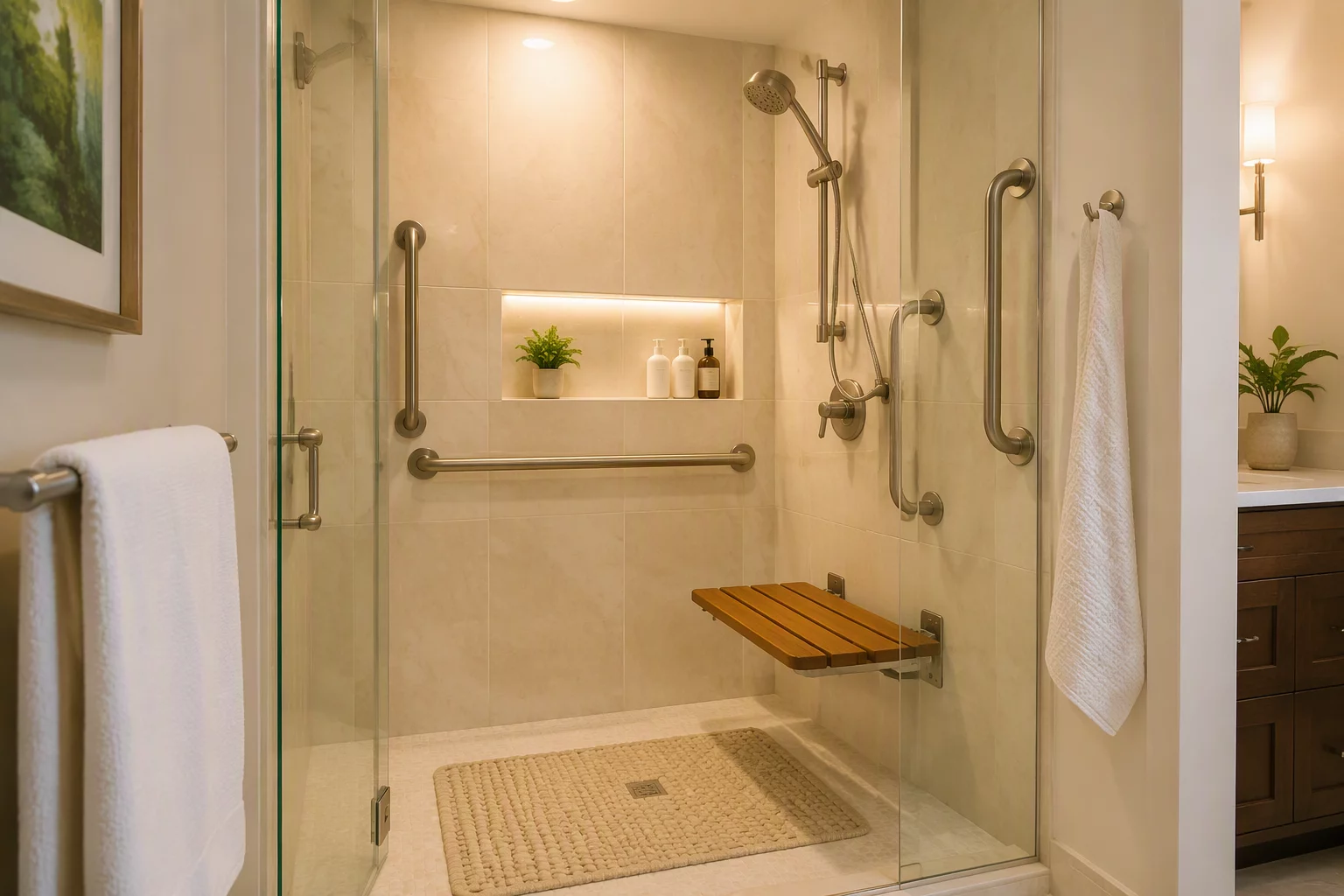
Creating a Safer Bathroom for Everyday Comfort
The bathroom remains one of the most hazardous rooms in any home. Wet tiles, soapy water, and hard porcelain surfaces turn a simple morning routine into a daily challenge for anyone with limited mobility, joint stiffness, or fatigue. Safety Bath focuses on practical items designed to restore confidence and ease in the shower.
Equipping this space does not require a complete renovation. Small adjustments, such as adding a textured mat or mounting a secure grab bar, change how the room functions. These fixtures provide steady points of contact where slipping is most likely to happen, making independent washing much simpler.
Understanding Bathroom Mobility Challenges
Stepping over a high tub wall or standing on a slick shower floor demands balance and strength that can fluctuate from day to day. Fatigue often sets in halfway through a shower, turning an enjoyable routine into an exhausting ordeal. Without physical support, users tend to rush through washing or avoid bathing altogether.
Introducing supportive seating changes that dynamic completely. Sitting down removes the fear of losing balance on slick surfaces. Users can wash at their own pace, resting comfortably without straining their legs or back. This physical relief translates into greater mental peace for both residents and family members who care for them.
Essential Items for Daily Stability
Different layouts require different tools. A compact apartment bathroom needs foldable seats that tuck away easily, while a spacious walk-in shower benefits from wide transfer benches. Selecting the right combination depends entirely on the physical layout and the specific habits of the person using the space.
- Shower chairs provide lightweight seating for standard stall showers.
- Tub transfer benches bridge the edge of the tub to ease getting in and out.
- Bathroom grab bars anchor securely to walls for dependable leverage.
- Non-slip mats grip wet porcelain to prevent sudden footing loss.
- Folding shower seats maximize floor space in shared family bathrooms.
Every item serves a distinct purpose in daily routines. Combining them thoughtfully creates a cohesive safety net that minimizes risks without making the home feel clinical or unwelcoming.
Choosing and Placing Support Equipment
Installation matters just as much as the quality of the product itself. Grab bars must align with wall studs or use heavy-duty anchors to support full body weight. Shower benches need flat, unobstructed flooring to prevent rocking or shifting during use.
Take time to test the height and reach of every fixture before relying on it fully. Sit on the bench while the shower is dry to check leg clearance and stability. Adjust rubber feet periodically to ensure they maintain a firm grip on the tile floor.
Maintaining Your Safety Fixtures
Moisture is constant in the bathroom, and metal frames or rubber grips require regular upkeep to last. Wipe down shower benches and transfer benches after use to prevent soap scum buildup. Check suction cups and rubber tips weekly for signs of wear or hardening.
Replacing worn components promptly ensures the equipment performs reliably year after year. A well-maintained bathroom remains a comfortable sanctuary for independent living, supporting daily habits with quiet dependability.